















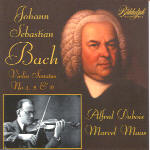
Because he did not live into the LP era, not many aficionados have heard, let alone heard of the Belgian violinist Alfred Dubois (1898-1949). Perhaps he’s best remembered as a highly sought after teacher, whose pupils included, among others, Arthur Grumiaux. This first CD release of Dubois’ extraordinary 1933 Bach sonata recordings, though, should set things right. Dubois’ Burgundy flavored sonority is enhanced by a vibrato that’s quick and gentle, and his phrasing stresses elegance over propulsion. Pianist Marcel Maas, another unjustly neglected artist, whose limpid support helps render Bach’s interweaving lines with clarity and warmth, partners him. Maas is no less mesmerizing in his poised, lucid, and gorgeously spun C Minor Toccata BWV 911. It was originally released on three twelve-inch 78-RPM sides, with the equally commanding Fugue from the E minor Toccata (BWV 914) occupying side four. These count among the finest solo Bach piano recordings ever made, and their first CD appearance fulfills a long-held wish on this writer’s part. Add Ward Marston’s exemplary transfers, plus authoritative notes by Tully Potter, and you have a reissue not to be missed.